How to Spot a Reliable Custom Cabinet Maker (Red Flags & Must-Haves)
Choosing a custom cabinet maker is a big decision. Your cabinets shape your home’s comfort, storage, and style for years. A great cabinet maker can make the process smooth and stress-free. A bad one can leave you with delays, extra costs, and work that doesn’t match your expectations. So how do you know who you can trust?
At Shivers Custom Woodwork, we’ve met many homeowners who came to us after a rough experience with another shop. To help you feel confident from the start, we created this guide with clear signs of a reliable custom cabinet maker and red flags you should never ignore.
What Makes a Custom Cabinet Maker Reliable?
A reliable custom cabinet maker shows consistency in the simplest things. They answer questions clearly. They explain timelines. They help you pick the right materials for your budget without confusion or pressure. Most of all, they make you feel comfortable with the entire process.
Reliability is easy to spot once you know what to look for. Here are the must-haves every homeowner should expect.
MUST-HAVES TO LOOK FOR
1. Clear and Honest Communication
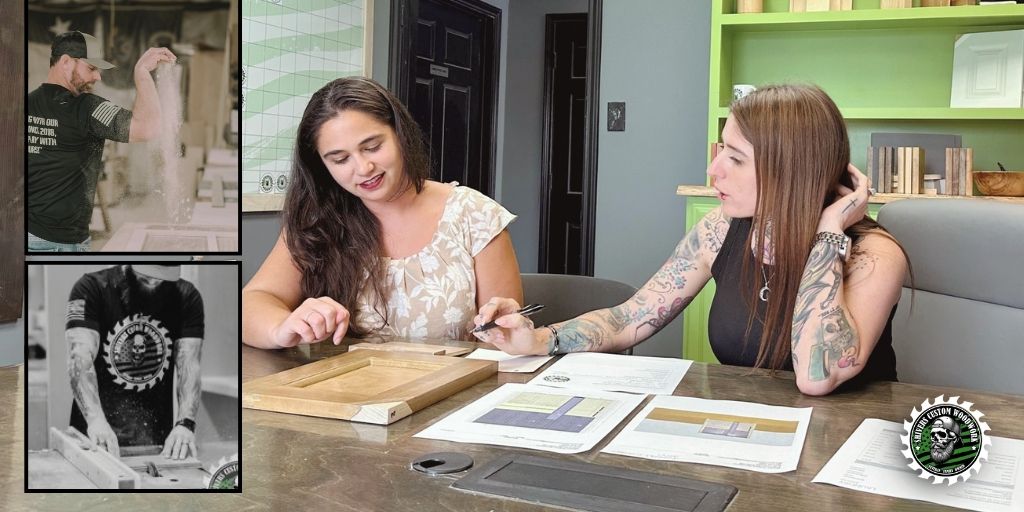
Strong communication is the foundation of a smooth project. A dependable cabinetmaker responds promptly and explains each step in plain language. You never feel lost or unsure. If a cabinet maker takes days to reply or gives unclear answers, consider it a sign to pause.
2. Transparent Pricing and Written Estimates
A trustworthy cabinet maker doesn’t hide their pricing. They give you a written breakdown, show you what’s included, and explain your options. You understand what you’re paying for before any work begins. A written estimate protects you from surprise fees later, especially for custom kitchen cabinets or custom built-ins. It also shows that the shop is organized and serious about delivering quality work.
3. Quality Materials and Construction Methods
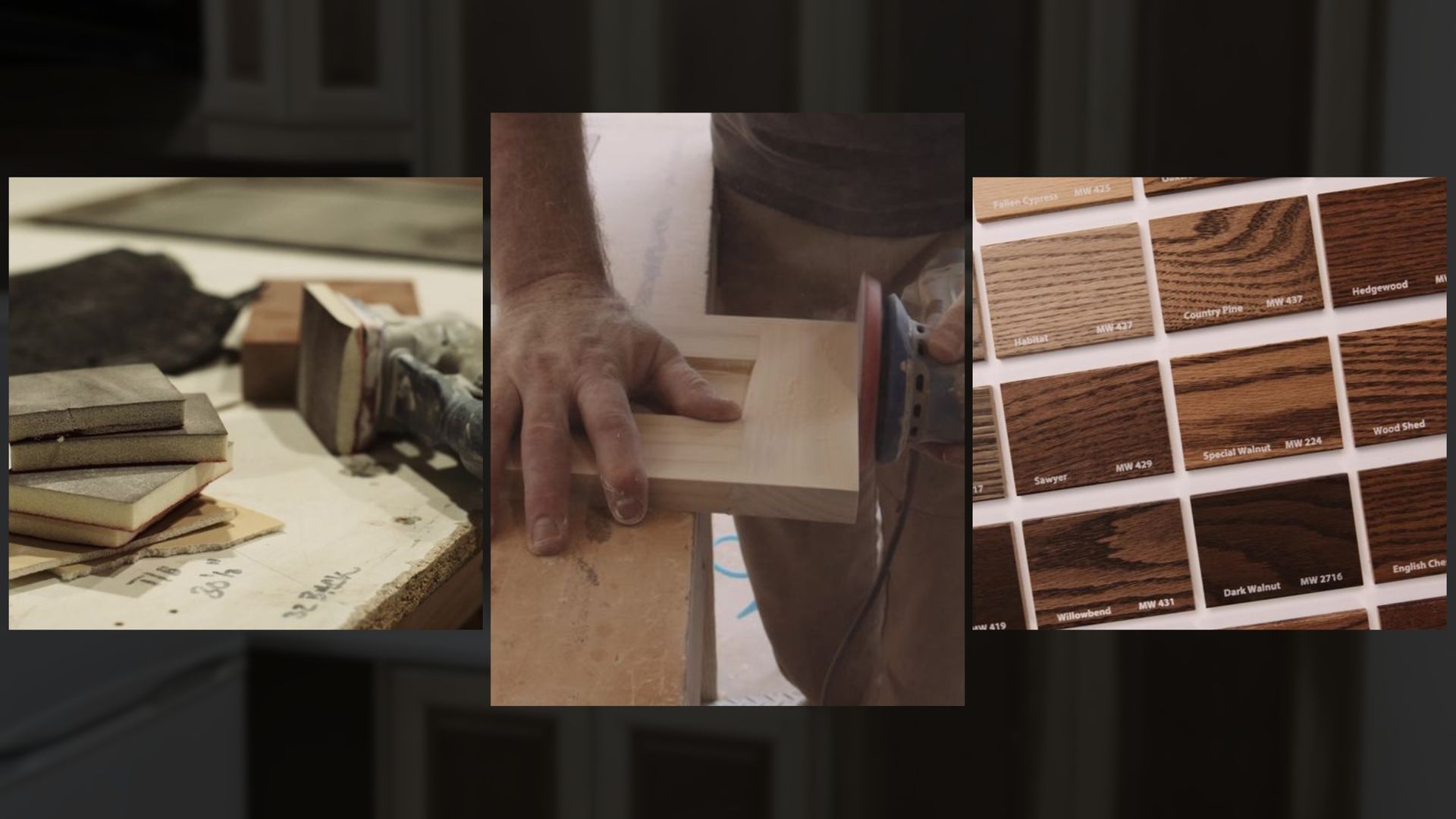
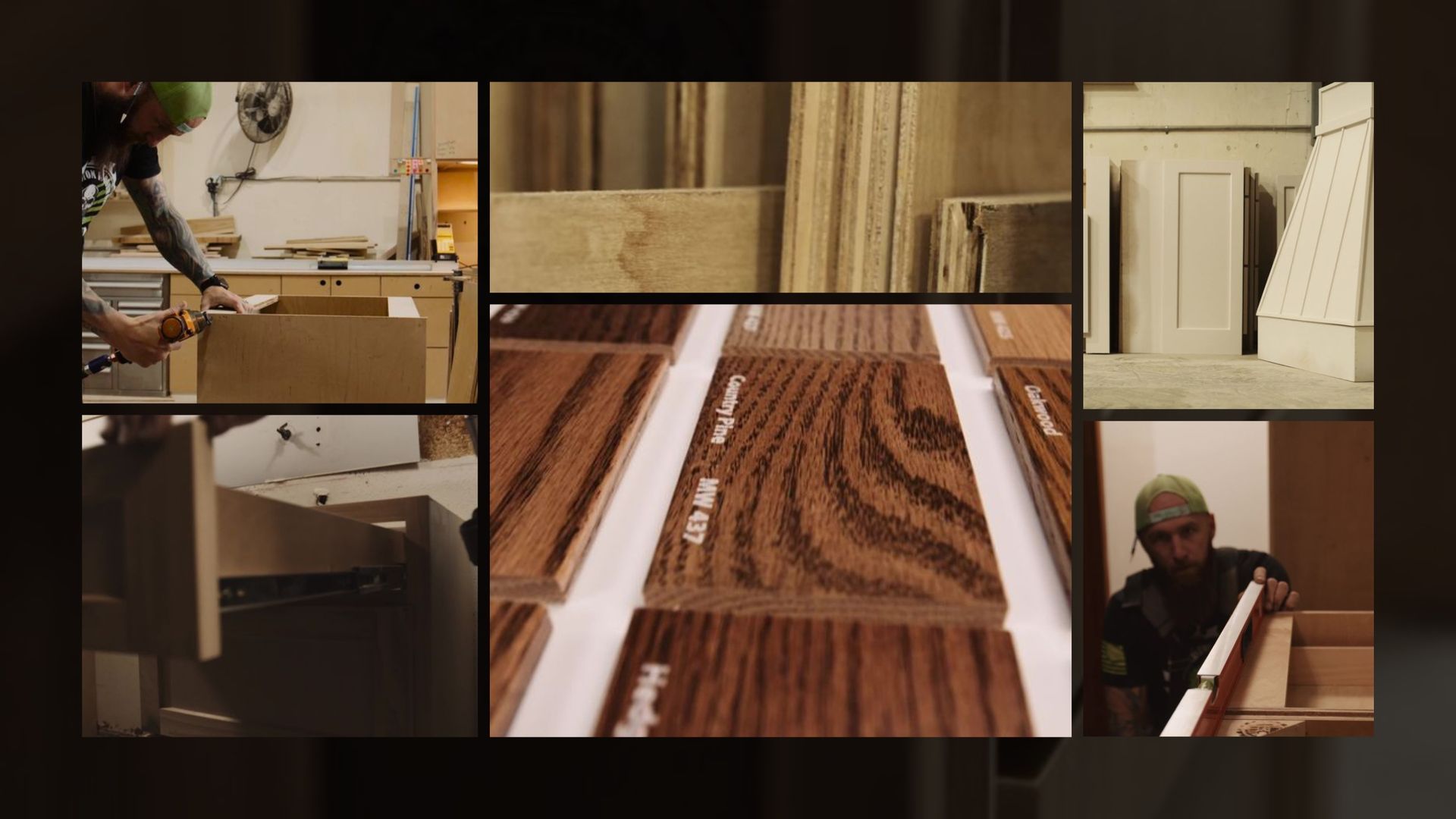
A reliable cabinet maker doesn’t cut corners. They explain which materials fit your project, whether it’s solid wood, plywood, or MDF. They tell you why one option might last longer in a Texas home. They keep the conversation simple and honest. Good shops never hesitate to show you a sample or explain how they build their cabinets. If their answers feel rushed or unclear, think carefully before moving forward.
4. Proven Portfolio and Real Client Reviews
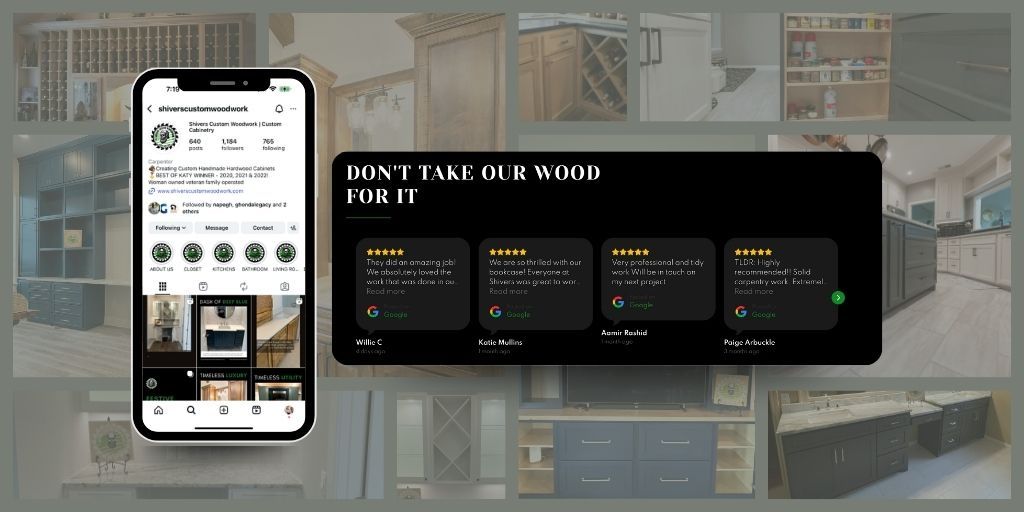
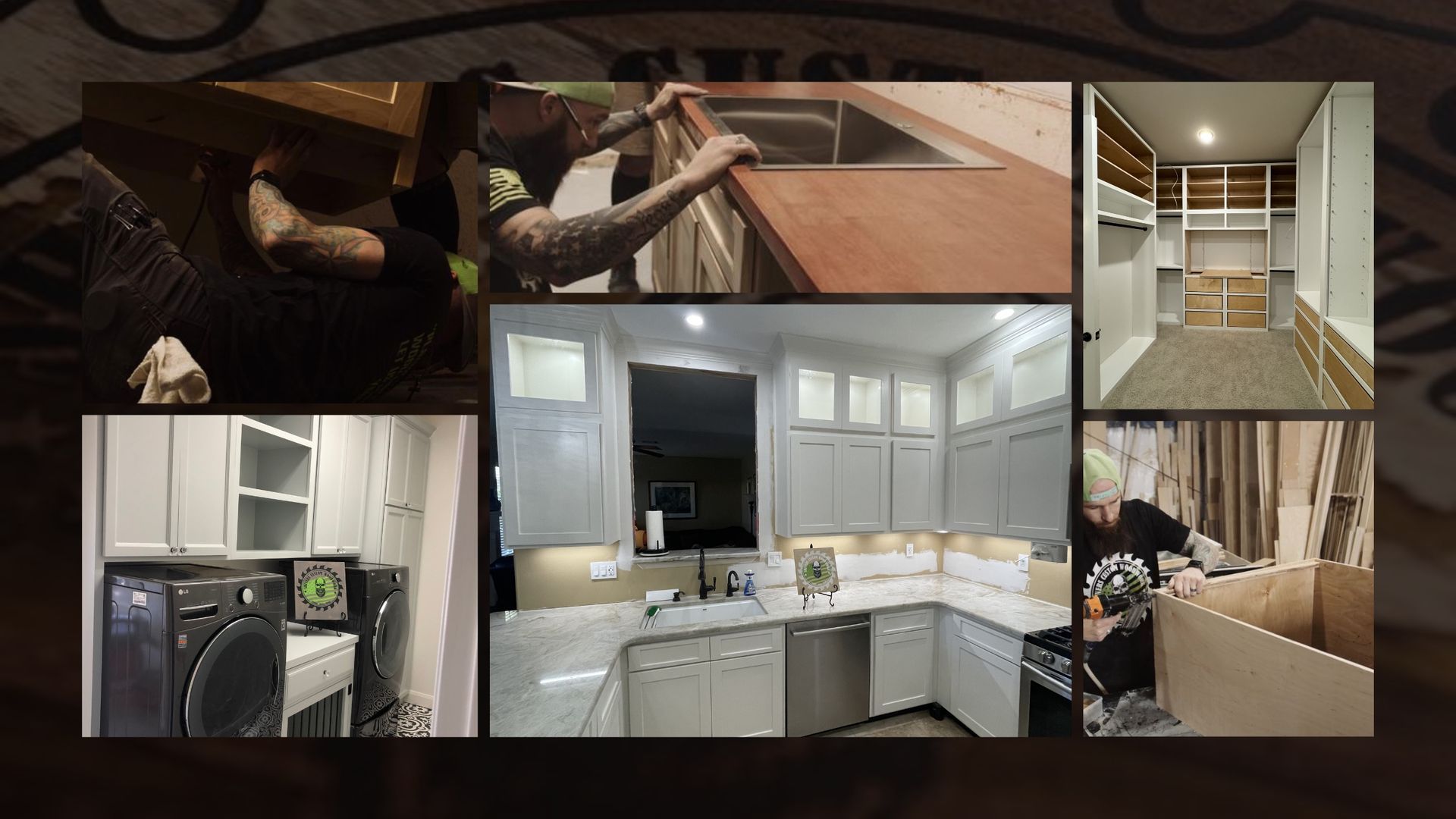
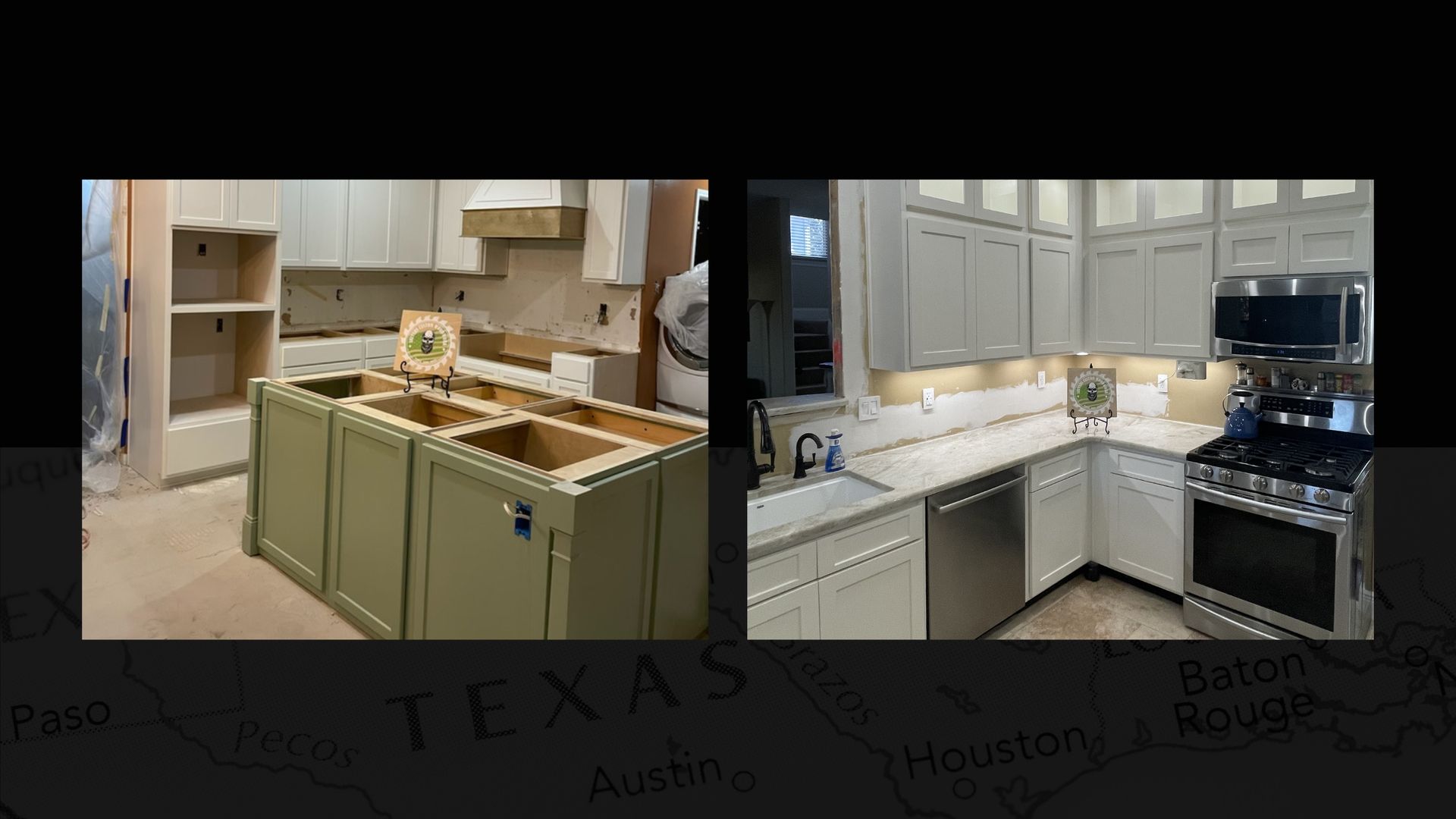
You should always see real examples of their work. A strong project portfolio includes before-and-after photos, close-up shots of details, and a mix of kitchens, bathrooms, and built-ins. Reviews play a huge role, too. Look for consistency. Are clients mentioning good communication? Smooth installation? Clean work? These repeated comments say a lot about how the company treats people.
5. Professional Workflow and Documentation
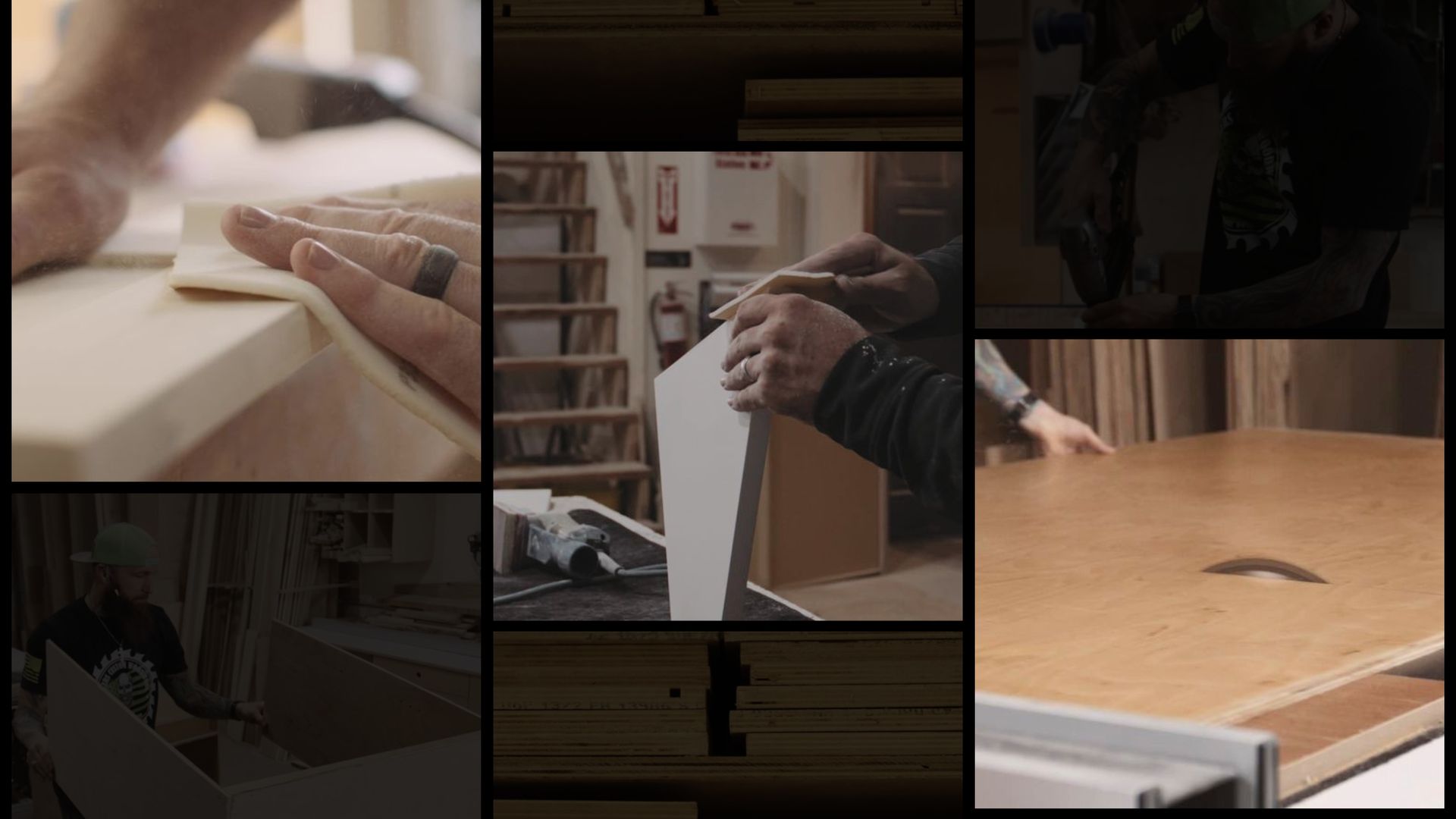
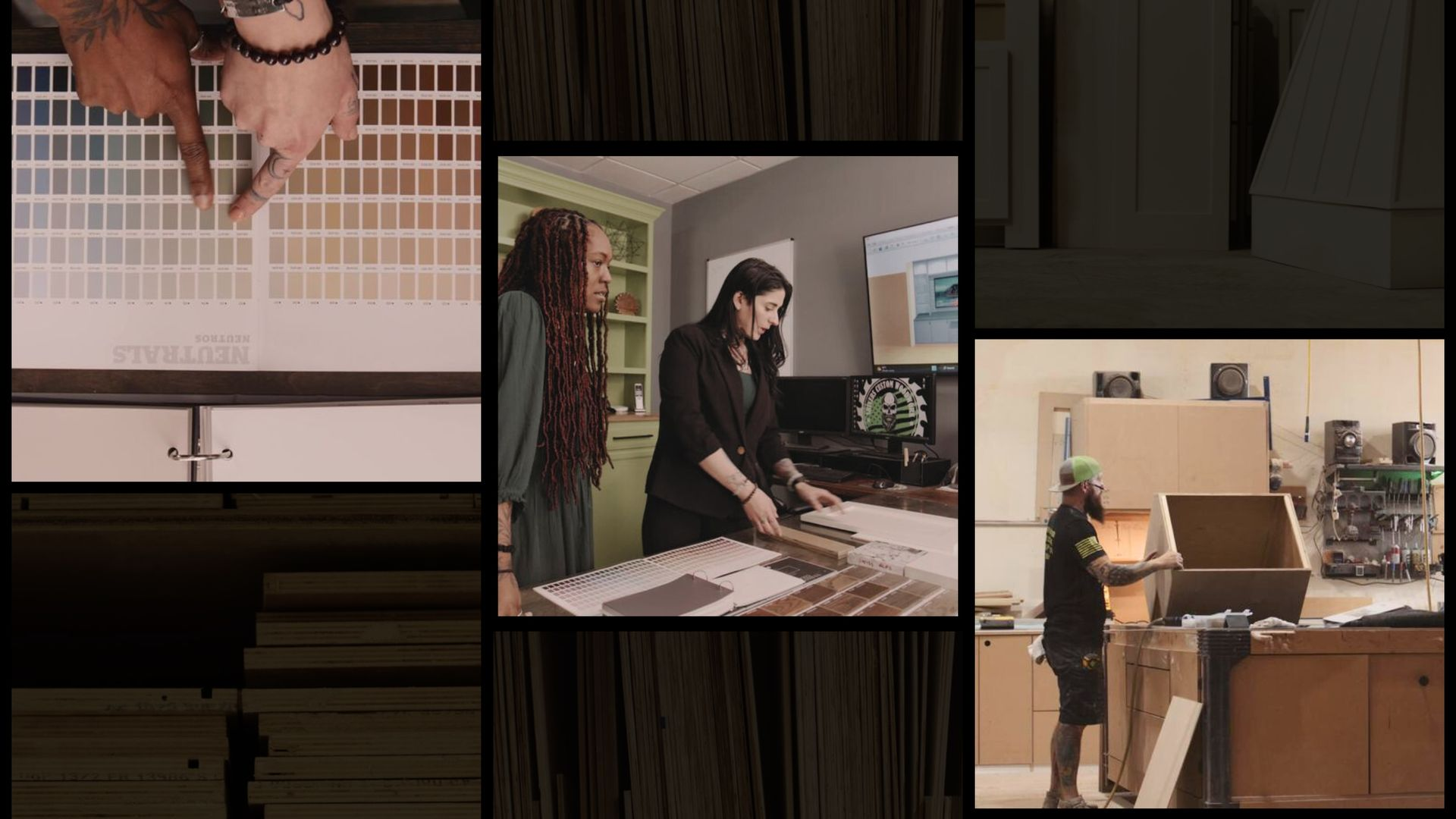
Reliable cabinet makers follow a clear creative process. At Shivers Custom Woodwork, we use a step-by-step workflow so clients always know what’s next:
- Consultation
- Design
- Approve 3D rendering
- Approve estimate
- Pay deposit
- The Details
- Installation
- Masterpiece
A structured process gives you confidence. It shows the company is organized and prepared to handle your project with care.
RED FLAGS TO WATCH OUT FOR
1. Vague or Changing Pricing
If the numbers keep shifting without reason, consider that a warning. Reliable shops give consistent pricing and explain any changes before they happen. Unexpected price changes often signal poor planning or hidden costs you’ll face later.
2. No Portfolio or Low-Quality Photos
A cabinet maker who can’t show past work may lack experience. Blurry photos or copied images from other websites are also red flags. A genuine portfolio helps you judge their style, quality, and attention to detail.
3. Overpromising or “Too Good to Be True” Quotes
If someone promises custom cabinets in half the normal time or gives a price that feels unrealistically low, step back. Good craftsmanship takes time, and quality materials cost a fair price. Extremely fast or cheap offers often compromise the quality and durability of your cabinets.
4. Poor Communication
Slow replies, confusing messages, or instructions that change without explanation almost always lead to delays and mistakes. Good communication should start before you even sign a contract. If it’s hard to get clear answers at the start, it’s likely the same will happen during the project.
5. No Proper Agreement or Process
Everything should be written down. Materials, measurements, design details, hardware, timelines, and payment steps. If a cabinet maker avoids doing this, it sets you up for problems later. A proper written process ensures accountability and protects both you and the cabinet maker.
Final Thoughts
Spotting a reliable custom cabinet maker is easier when you know what signs to look for and what red flags to avoid. With the right questions and clarity, you can choose a professional who delivers beautiful cabinets and a stress-free experience.
Ready to Hire a Cabinet Maker You Can Trust?
Don’t take chances with your home’s cabinets. At Shivers Custom Woodwork, we combine clear communication, high-quality materials, and a step-by-step process to ensure your project goes smoothly.
Schedule a consultation today and see how easy custom cabinets can be.
FAQs
How do I know if a cabinet maker is trustworthy?
Look for steady communication, a clear process, and real photos of past work. If they explain things clearly and show confidence in their process, that’s a good sign.
Do materials affect reliability?
Yes. A dependable cabinet maker explains material options clearly. They help you choose what fits your space, style, and budget.
What’s the biggest red flag to watch out for?
Unclear communication. If a cabinet maker is hard to reach before the project starts, it rarely gets better later.
How can I check if a cabinet maker really uses quality materials?
Ask to see samples and details about the wood, plywood, or MDF they use. A reliable shop will explain the benefits and why certain materials work best for your space.
Is it okay if a cabinet maker doesn’t provide 3D renderings?
While not always required, 3D renderings help you visualize your cabinets before construction. Shops that offer them usually have a more professional workflow.