10 Questions to Ask Your Custom Cabinet Maker in Katy, TX

Khrystina Shivers • 26 January 2026

Your cabinets do more than hold your belongings; they set the tone for your entire home. Choosing the right cabinet maker can feel overwhelming. One wrong decision can mean delays, unexpected costs, or cabinets that just don’t fit your style. Asking the right questions early makes all the difference and helps ensure your investment adds both beauty and function to your space.


At Shivers Custom Woodwork, we’ve worked with countless homeowners to bring their cabinetry visions to life. That’s why we put together the top questions you should ask before hiring any cabinet makers, so you can feel confident that your cabinets will be built right and look exactly how you imagined.   


1. Do you carry insurance, and can you provide proof before starting?


Any cabinetmaker working in your home should carry insurance. This protects you if there’s damage to your property or an accident during installation. Always ask for proof of insurance before work begins, and make sure it’s current. A professional cabinet maker should have no hesitation in providing this upfront.


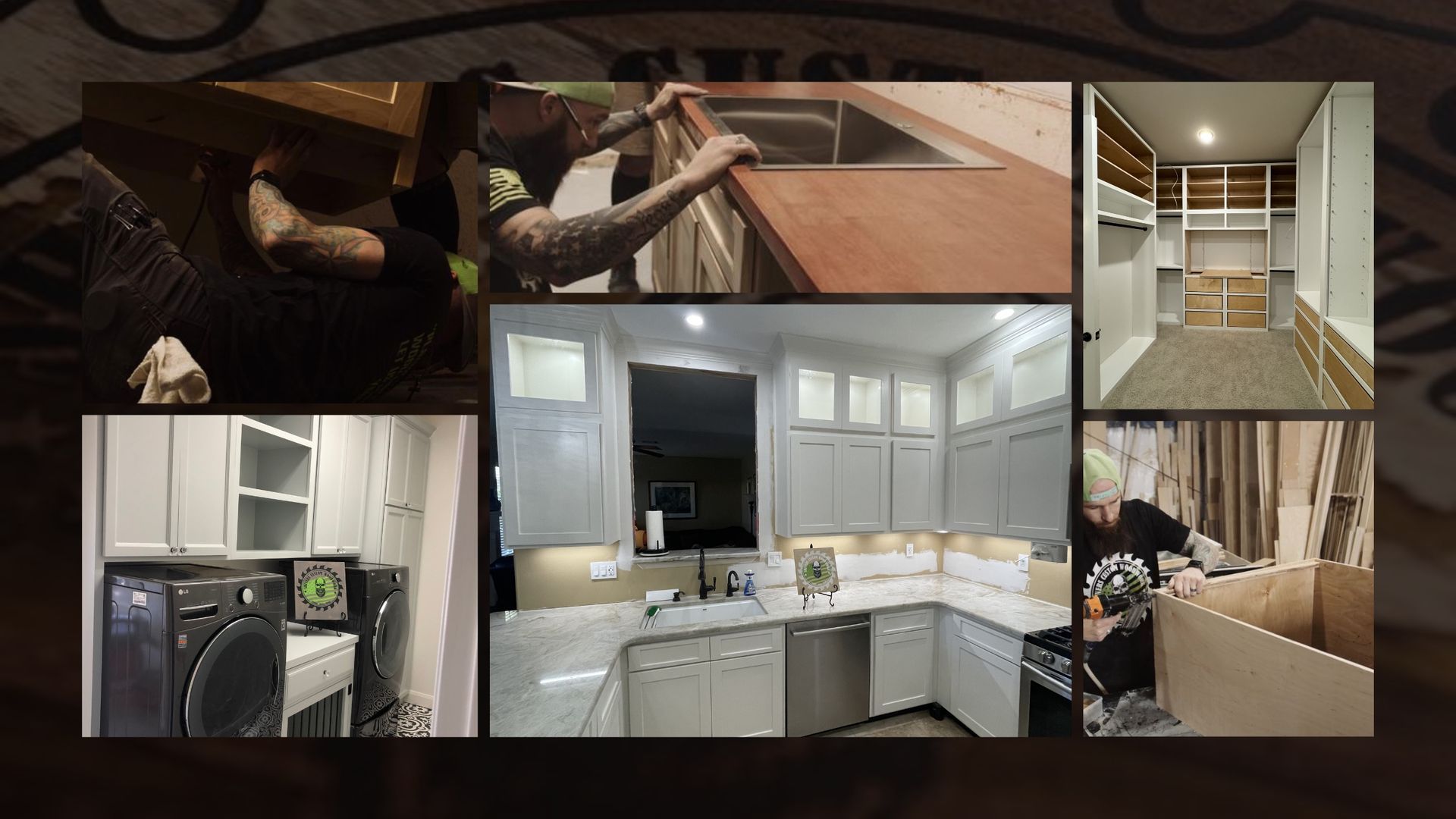
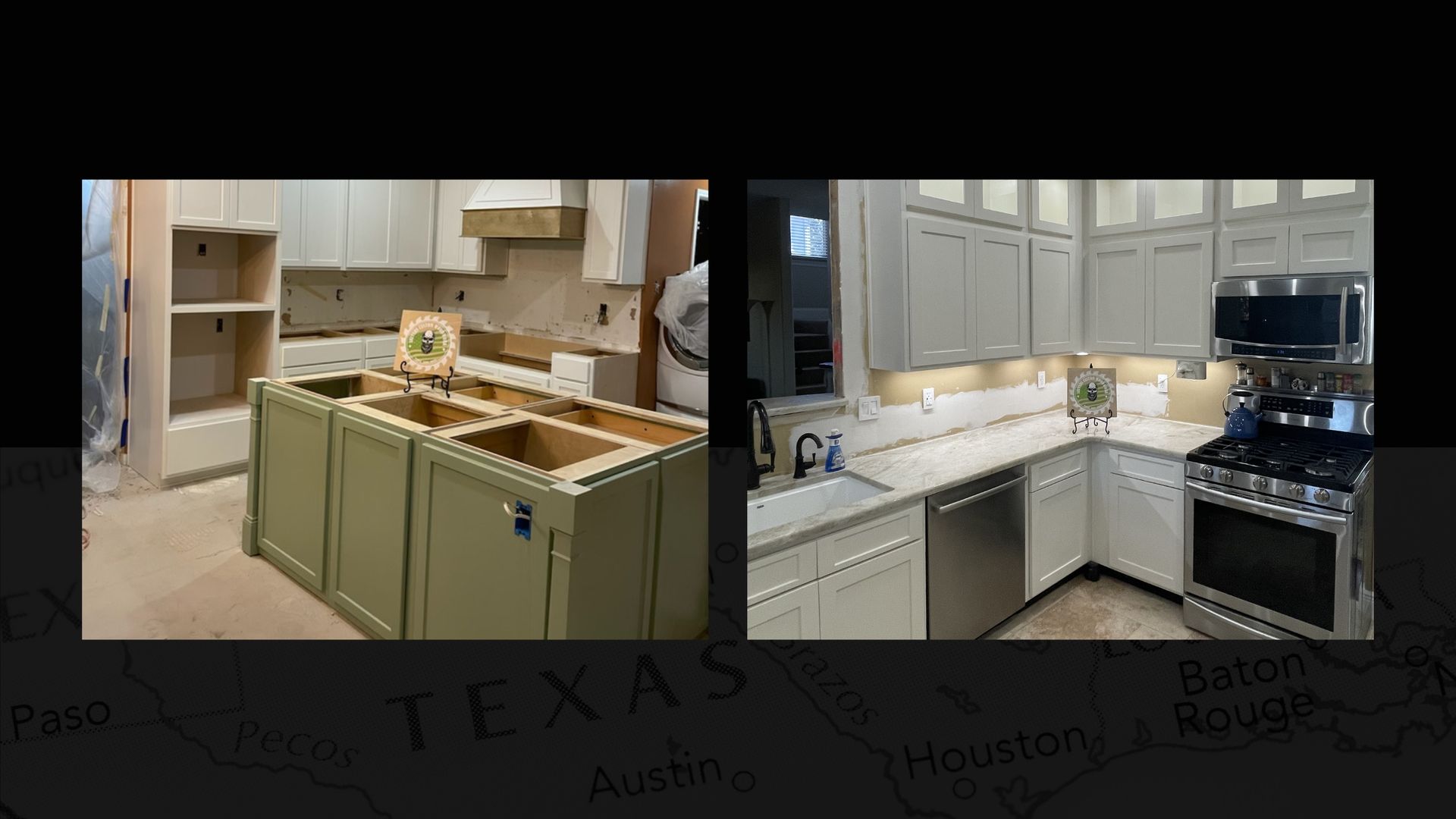
2. Can you show me examples of past custom cabinet work?
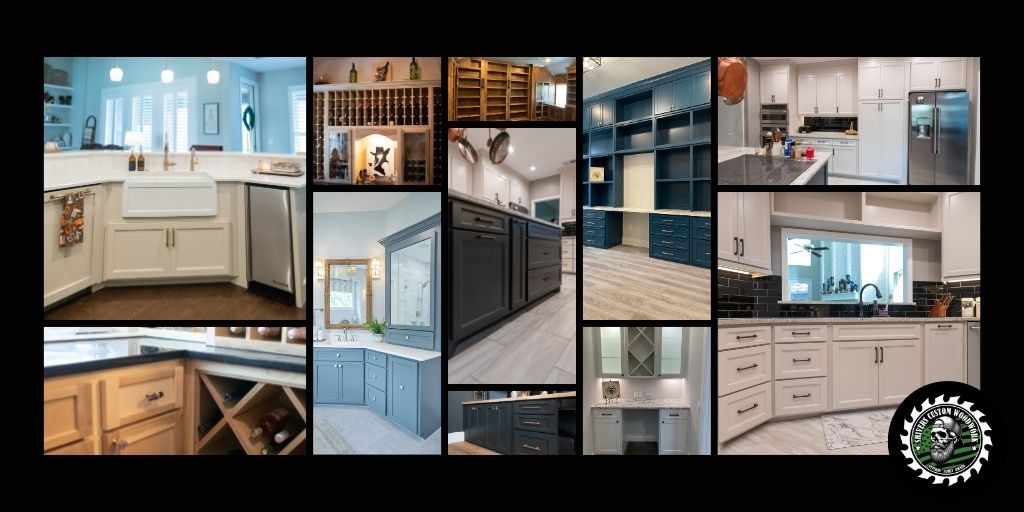

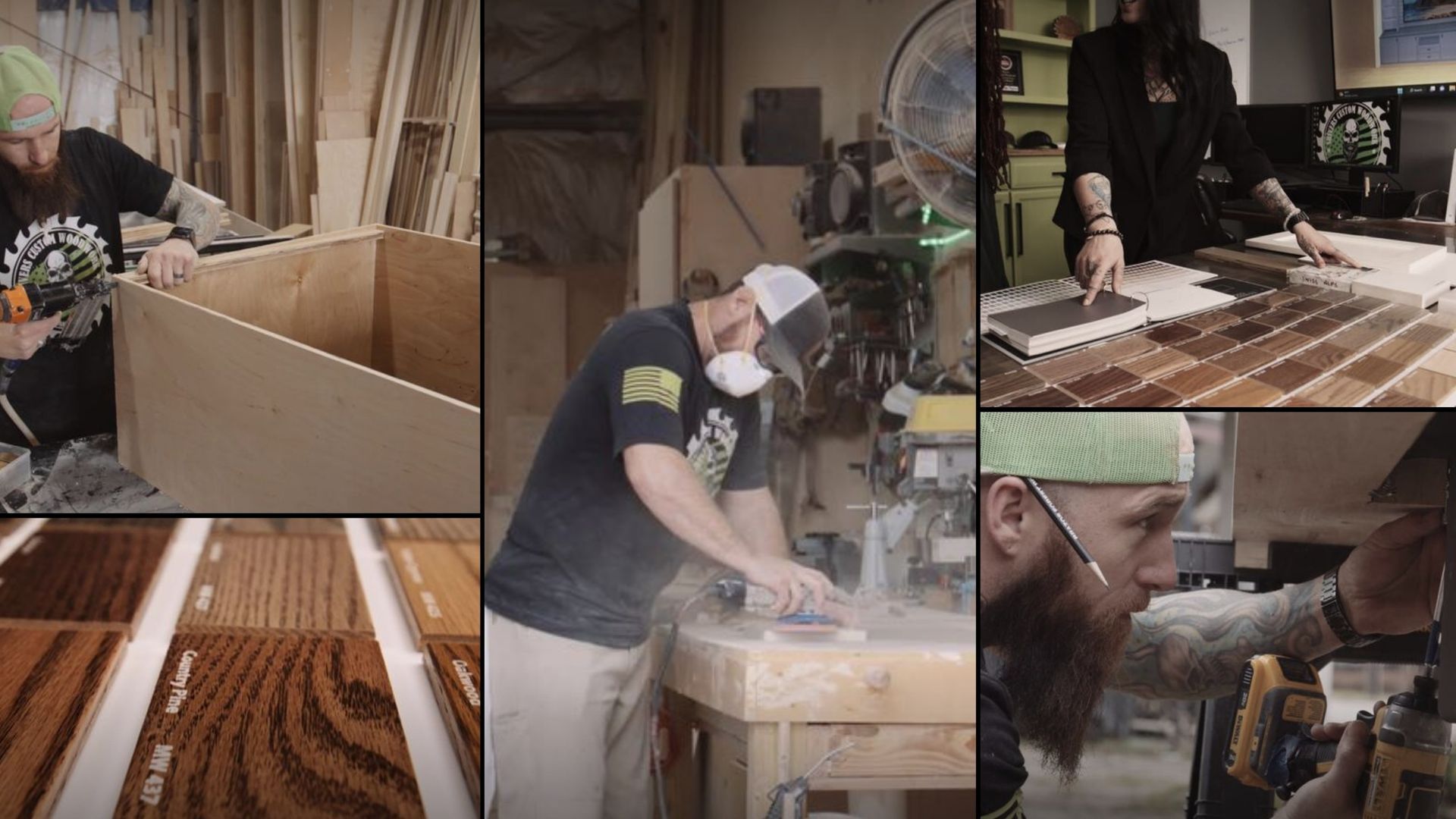
examples of past custom cabinet work

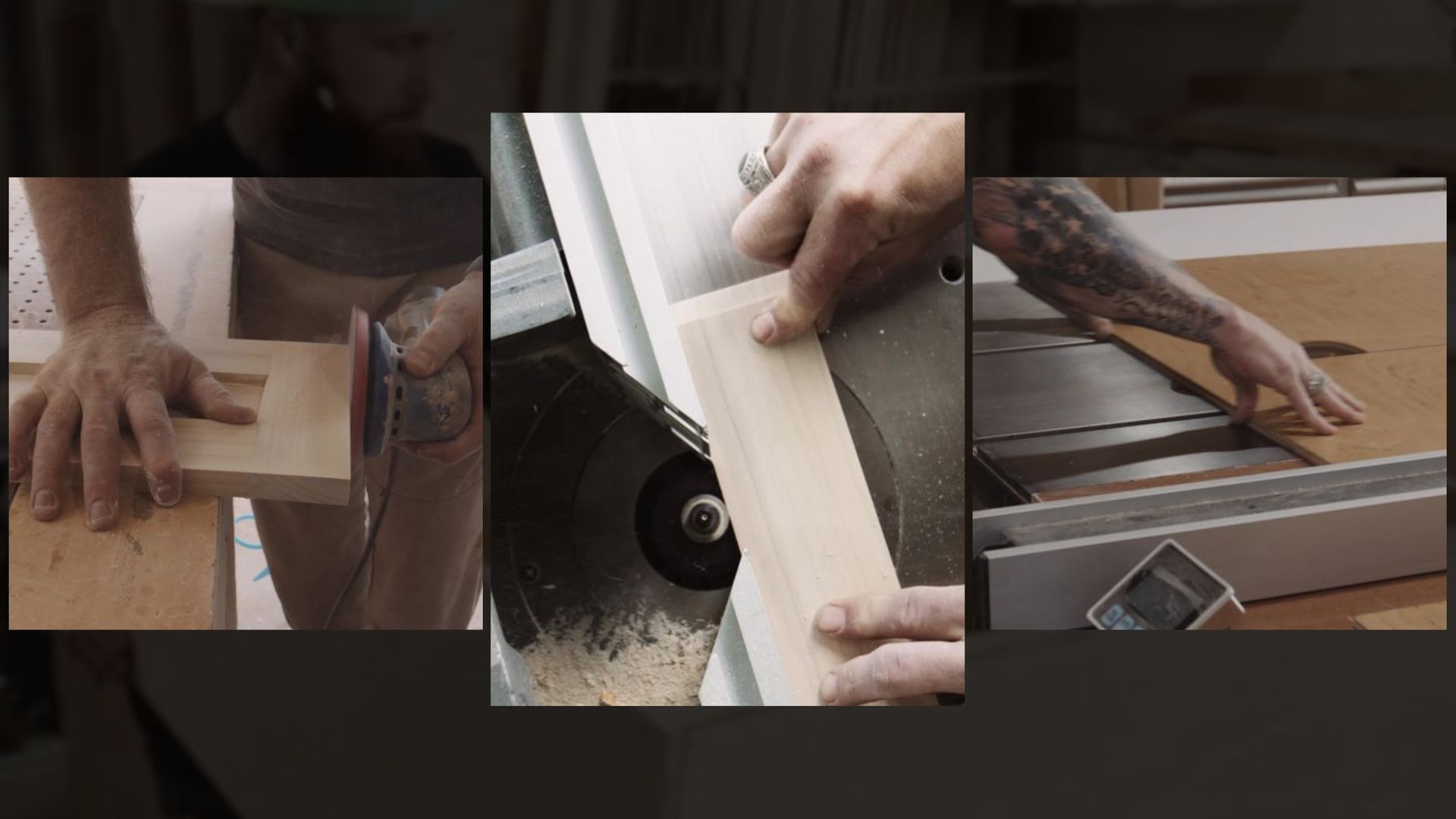
Always ask to see their previous projects, photos, videos, or in-person examples. This helps you check their craftsmanship, finishing quality, and whether their style matches what you want in your home.


3. What does your design process look like?


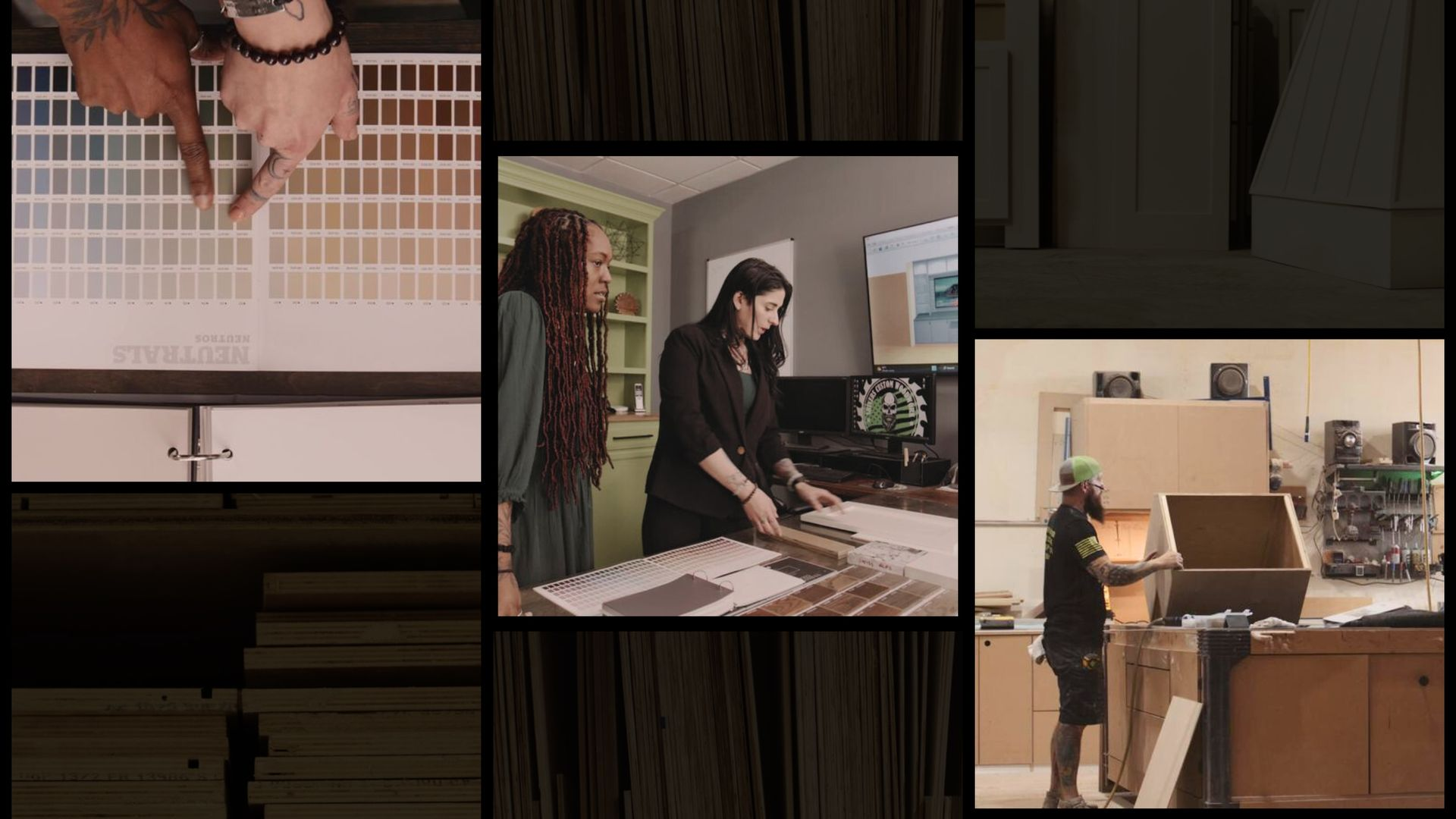
Ask how they move from concept to installation. Do they provide 3D designs? Can you request changes before they start building? A clear
design process helps you feel more confident and involved in every decision.


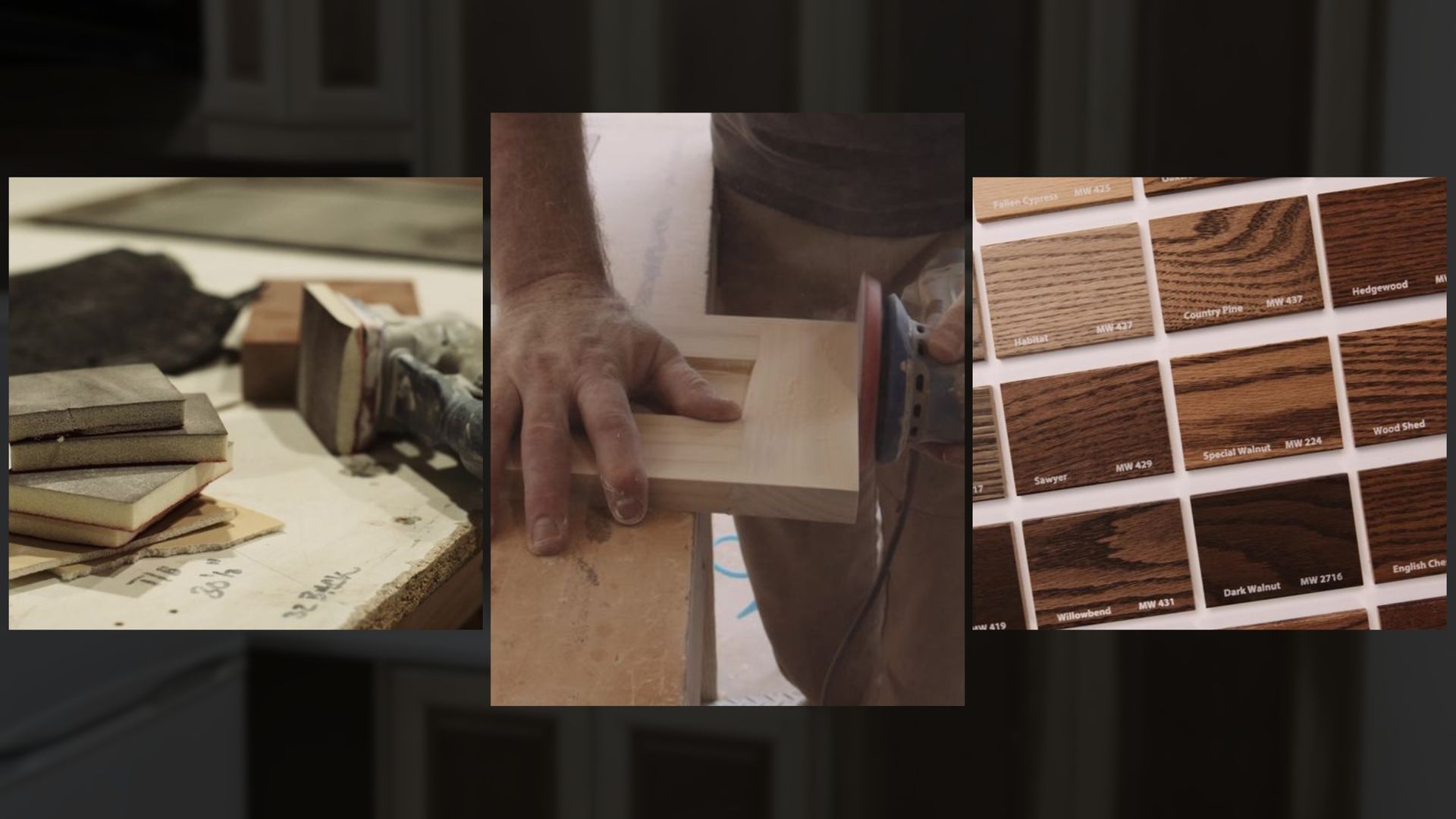
4. What materials and finishes do you recommend for Katy homes?


Different materials handle heat and humidity differently. Ask what they recommend for long-lasting cabinets in Texas homes. They should be able to explain why certain woods, paints, or finishes are better for kitchens, bathrooms, or high-moisture spaces.


5. Can you customize the cabinets to fit my exact space and needs?


If you want pull-out shelves, hidden storage, spice racks, or custom drawer layouts, ask how they handle special requests. A good cabinetmaker should be flexible and able to work around unique spaces or design challenges in your home.


6. What is the expected project timeline?


Ask how long each step will take from design to building to installation. This helps you plan around your household schedule and avoid surprises. It also shows whether the contractor is organized and reliable.


7. Will you give me a detailed written estimate?


A precise written estimate protects you from hidden fees. Make sure the estimate includes materials, labor, hardware, finishes, and installation. This lets you compare quotes accurately with other cabinet makers in Katy.


8. How do you ensure quality during the build?


Quality craftsmanship matters. Ask about how they check each cabinet for fit, finish, and durability. The best custom cabinet maker will inspect every detail, from joinery to hardware installation. Knowing their standards helps you trust the final result.


9. Who will handle the installation in my home?
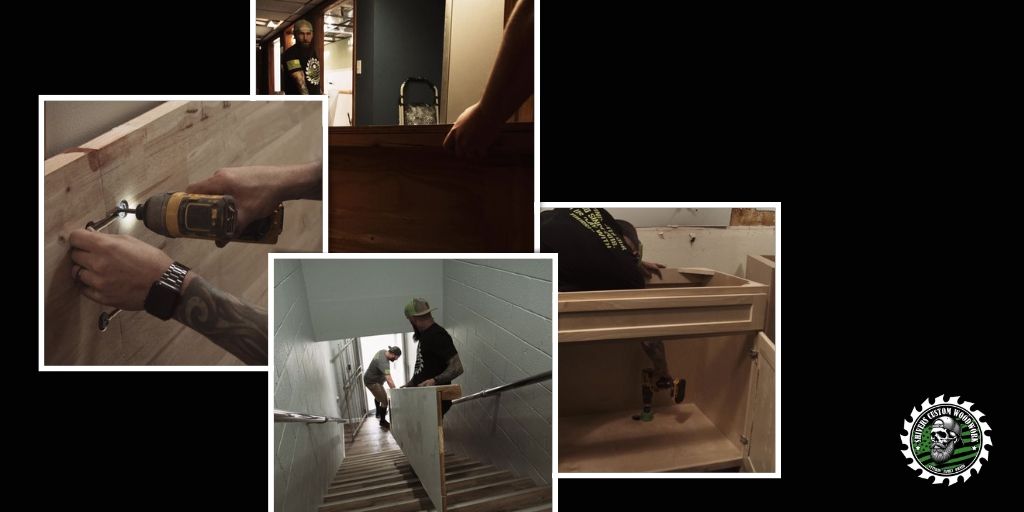

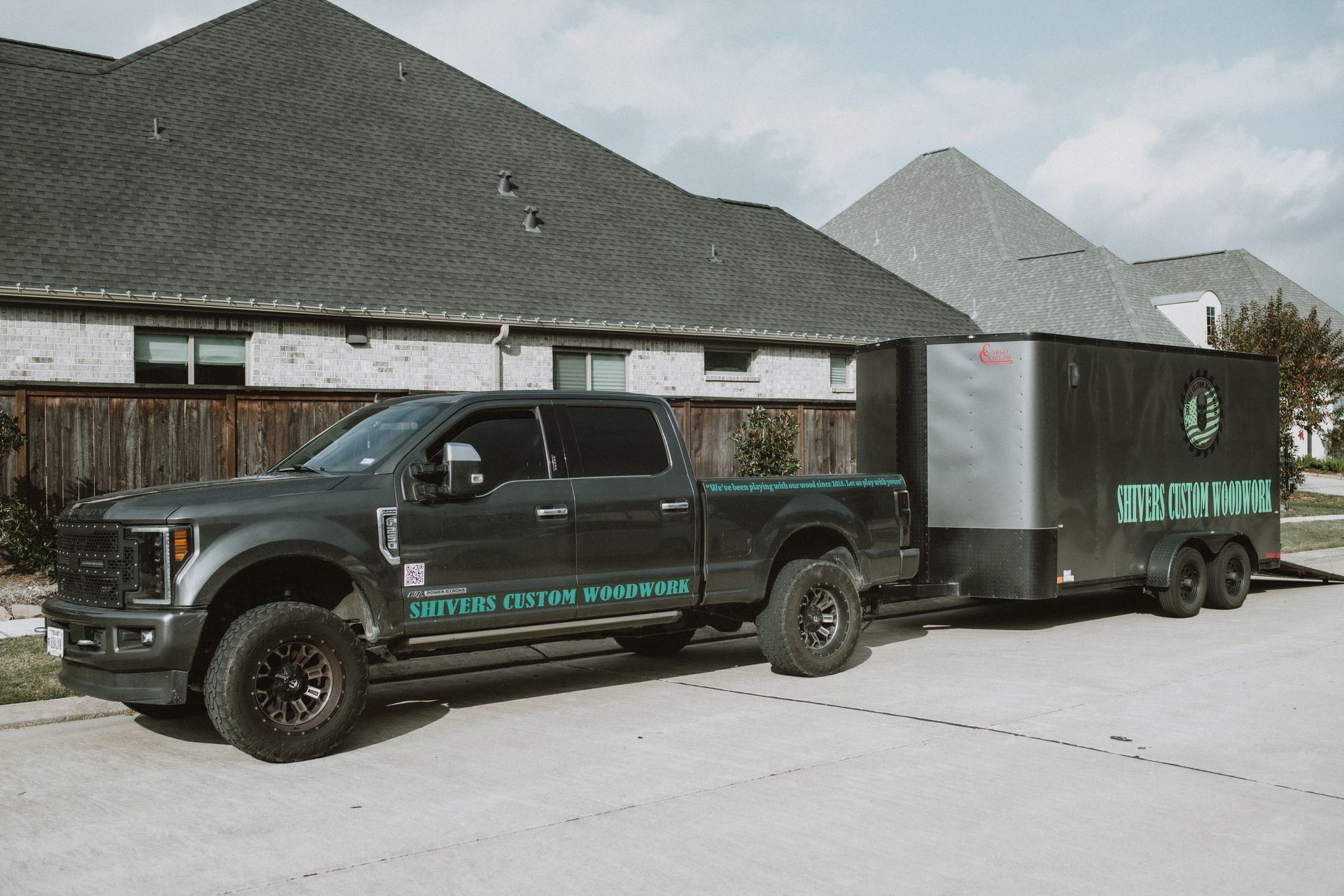
installation at home

Correct installation is just as important as the build. Ask if they use their own in-house installers or subcontractors. The installer’s skill determines whether your cabinets sit level, close smoothly, and stay sturdy.


10. Can I see reviews and feedback from past clients?


Talking to previous customers is one of the best ways to know what to expect. Ask about their experience with communication, quality, and whether the project finished on schedule and within budget.   


Final Thoughts


Choosing the right cabinet maker in Katy, Texas, starts with asking the right questions. These 10 questions cover the essentials, including credentials, past work, materials, customization, and installation. By asking them, you can find a partner who delivers cabinets that are both functional and beautiful, built to last.


Ready to Find the Right Cabinet Maker in Katy?


Your dream cabinets start with the right questions. Book a consultation with Shivers Custom Woodwork today to explore designs, materials, and options that combine style and function in your home.


FAQs


How long does it take to get custom cabinets installed in Katy, Texas?


At Shivers Custom Woodwork, to ensure every client gets the exceptional craftsmanship and service they deserve, we require a 90-day minimum timeline for all projects.


How much does custom cabinetry cost in Katy, TX?


The cost varies based on size, materials, finishes, and design complexity. On average, custom cabinets in Katy range from $500 to $1,200 per linear foot for quality hardwoods and custom features. While this is more than stock options, the long-lasting durability and personalized design often make it a worthwhile investment.


What type of wood is best for cabinets in Texas homes?


Hardwoods like oak, maple, and cherry are durable and adapt well to the Texas climate changes. Your cabinetmaker can also recommend engineered or specialty woods based on the space and finish you want.


What should I look for in a design consultation?


During consultation, pay attention to how well the cabinet maker listens, suggests ideas, and balances your vision with functional solutions. A good consultation sets the tone for a smooth project from start to finish
Add your custom HTML here
Working With a Custom Cabinet Maker
by Khrystina Shivers 17 December 2025
Discover what to expect when working with a custom cabinet maker. From consultation to installation, learn the process for beautiful, lasting cabinets.
by Khrystina Shivers 5 December 2024
At Shivers Custom Woodwork, we’re dedicated to creating high-quality, custom designs that elevate your space. To ensure every client gets the exceptional craftsmanship and service they deserve, we require a 90-day minimum timeline for all projects. We are a small business, living the American dream, bringing back real wood handmade crafts. Here’s why this timeline is crucial and what goes into each step: Step 1: Initial Consultation and Design After your inquiry and deposit, we schedule a design consultation to understand your vision, preferences, and needs. This is done 30 days after your 50% retainer is paid. Together, we finalize: Paint and Stain Picking countertops and door styles Project details and timeline Why it takes time: Every project is unique. We dedicate this phase to planning and perfecting your design before moving forward to prevent mistakes. Step 2: Material Procurement an Preparation Once the design consult is completed, we order premium materials tailored to your specifications. Materials are inspected and prepared to ensure they meet our high standards. Why it takes time: High-quality, custom materials often require special ordering. This ensures your project is built to last. Step 3: Build Phase Our skilled craftsmen meticulously build your piece, incorporating custom features and finishes to match your vision. Why it takes time: Craftsmanship is an art. Precision, attention to detail, and time are essential to deliver your expected quality. Everything we do is done by hand. Step 4: Final Inspection and Installation Scheduling After the build, your painted or stained project. We thoroughly inspect to ensure quality and durability. We then schedule installation, working around your availability to provide a seamless experience. Why it takes time: We prioritize perfection. No project leaves our workshop until it meets our exacting standards.  Why We Have a 90-Day Minimum Scheduled Clients: We carefully manage a queue of already scheduled projects. Each client deserves undivided attention, and we maintain this standard by planning timelines carefully. Quality Matters: The 90-day timeline allows us to focus on superior craftsmanship and detail without cutting corners. Personalized Process: Every project is unique, and each step—consultation, sourcing, building, and installation—requires time and care.
by Khrystina Shivers 5 December 2024
Dear Valued Clients and Woodwork Enthusiasts, Welcome to the inaugural edition of the Shivers Custom Woodwork newsletter! As a veteran family-operated and woman-owned business based in Katy, Texas, we are dedicated to transforming your spaces with 100% custom, real-wood, handcrafted cabinets and built-ins. Our mission is to infuse beauty, functionality, and equity into your home, ensuring each piece reflects your unique vision. In this newsletter, we will: Showcase Our Craftsmanship: Explore our latest projects, from exquisite kitchen cabinets to bespoke office built-ins, all meticulously crafted to elevate your living spaces. Share Expert Insights: Gain valuable tips and inspiration for your next home upgrade, including design trends and maintenance advice to keep your woodwork looking pristine. Highlight Community Engagement: Learn about our involvement in the Katy community and how we collaborate with local vendors to support and enrich our shared environment. We invite you to embark on this journey with us, discovering the artistry and dedication that define Shivers Custom Woodwork. Whether you're considering a new project or seeking inspiration, our team is here to bring your vision to life with unparalleled craftsmanship and personalized service. Thank you for being part of our community. We look forward to creating something beautiful together. Warm regards, Khrystina and AJ Shivers and The Shivers Custom Woodwork Team www.shiverscustomwoodwork.com - 281.644.9205
A man is sanding a piece of wood in a workshop.
22 July 2024
Hey there, woodworking enthusiasts! At Shivers Custom Woodwork, our passion for craftsmanship drives everything we do. One of our secret weapons in the workshop is the trusty router table. Whether you're a seasoned pro or just starting your woodworking journey, understanding how a router table works can make a world of difference in your projects. What is a Router Table? In simple terms, a router table is a game-changer. It’s a stationary tool that lets us use a handheld router more effectively. By mounting the router upside down on the table, with the bit sticking out through an opening, we gain better control and stability. This setup helps us achieve those precise cuts, intricate designs, and smooth edges that Shivers Custom Woodwork is known for. Key Components of a Router Table 1. Tabletop: The flat surface where all the magic happens. It’s usually made of durable materials like MDF or phenolic resin to handle all the action. 2. Router Base Plate: This is where the router gets mounted. It’s got to be sturdy and perfectly aligned to ensure the router bit is right where it needs to be. 3. Fence: Think of this as your guide. It helps direct the wood through the router bit and can be adjusted for different widths and angles. 4. Router Bit: The star of the show! There are all sorts of bits for different tasks—straight bits, round-over bits, chamfer bits—you name it. 5. Feather boards: These are your safety buddies. They hold the wood against the fence and tabletop, preventing kickback and keeping everything steady. 6. Dust Collection Port: This keeps your workspace clean by connecting to a vacuum system to suck up all the sawdust. How to Use a Router Table 1. Setup: Start by mounting your router securely to the base plate and installing the bit properly. Adjust the bit height so it sticks out the right amount through the tabletop. 2. Adjust the Fence: Position the fence parallel to the bit, and set it at the desired distance from the bit. Lock it in place to avoid any unwanted movement. 3. Safety First: Always wear safety goggles and hearing protection. Use featherboards to hold the wood securely. Keep your hands clear of the bit and use push sticks if needed. 4. Feed the Workpiece: With the router turned on, gently feed the wood into the bit, moving it from right to left. Keep a steady, even pressure to get a smooth cut. For intricate designs, go slow to avoid any tear-out and ensure precision. 5. Multiple Passes: For deeper cuts, make multiple passes, adjusting the bit height or the fence slightly each time. This helps avoid overloading the router and ensures a cleaner finish. Tips for Optimal Results Bit Selection: Pick the right router bit for your project. Use a straight bit for grooves and dadoes, a round-over bit for smooth edges, and a chamfer bit for angled cuts. Test Cuts: Always do a test cut on a scrap piece of wood to make sure your settings are spot on before working on your actual project. Maintenance: Keep your router table, bits, and dust collection system clean for optimal performance and longevity. Conclusion Getting the hang of a router table can really open up a world of possibilities for your woodworking projects. At Shivers Custom Woodwork, we use this versatile tool to create stunning, precise pieces for our clients. By understanding its components and operation, you can also harness the power of the router table to take your woodworking skills to the next level. Thanks for stopping by our blog! If you have any questions or need custom woodworking, feel free to reach out. We’re here to help. Visit us at 5120 Franz Road #100, Katy, TX 77493, or give us a call at 281-644-9205. Happy woodworking!
13 February 2024
Crafting Functional Elegance for Your Home
13 February 2024
Crafting Functional Elegance for Your Home